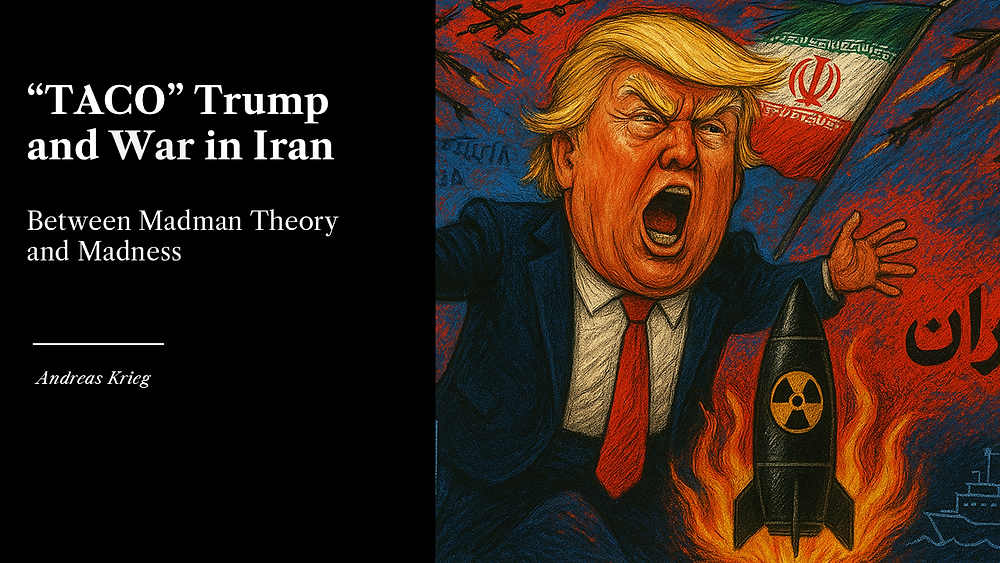
The Paradox of a "Peace President": Trump's Shifting Stance on Iran
The political landscape under Donald Trump was often characterized by stark contradictions, particularly in foreign policy. For a president who frequently championed an "America First" doctrine, criticized his predecessors' interventionist tendencies, and even labeled himself a "president of peace," his escalating confrontation with Iran presented a profound paradox. Before assuming office and even during his presidency, Trump was vocal about the futility and cost of nation-building. He famously warned in 2012 that Barack Obama might attack Iran due to an "inability to negotiate properly" and, as recently as May 2019, derided "interventionists" for "intervening in complex societies that they did not even understand themselves." Yet, the trajectory of his administration's policy towards Tehran seemed to defy these very principles, leading many to question the true motivations behind the From Peace President to War: Trump's Iran Policy U-Turn.
This dramatic shift from non-interventionist rhetoric to aggressive posturing in the Middle East, particularly concerning the potential for an iran krieg trump (Iran war Trump) scenario, highlights a critical tension within US foreign policy. While promising to pull back from endless wars, the Trump administration engaged in a strategy of "maximum pressure" against Iran, which significantly heightened regional tensions and brought the two nations to the brink of armed conflict on multiple occasions. This approach, ironically, borrowed heavily from the very neoconservative playbook that Trump had spent years lambasting, replacing "nation-building" with a stated goal of bringing "freedom" to the Iranian people – a dangerous echo of past regime-change rhetoric that had demonstrably destabilized the region.
Behind the Rhetoric: Is Trump's Iran War Really Netanyahu's War?
Analysts and experts have consistently questioned whether the aggressive stance adopted by the Trump administration against Iran truly aligned with Trump's stated ideology or campaign promises. Many argue that the escalating tensions and the push for confrontation appeared to serve interests beyond those of the United States. A recurring theme among Middle East experts, particularly those quoted by Al Jazeera, was the strong influence of Israeli Prime Minister Benjamin Netanyahu in shaping US policy toward Tehran. Some have even gone so far as to suggest that the potential for an iran krieg trump was, in essence, "another Israeli war that the US is launching." Indeed, this perspective raises the crucial question: Is Trump's Iran War Really Netanyahu's War?
Netanyahu has been a vocal and consistent proponent of confronting Iran for over two decades, repeatedly warning about Tehran's nuclear ambitions. This narrative often positioned Iran as an existential threat to Israel, irrespective of verifiable evidence. Even Trump administration officials at times acknowledged the lack of concrete evidence that Iran was weaponizing its uranium enrichment program. However, after the US withdrew from the Joint Comprehensive Plan of Action (JCPOA) and launched attacks on Iranian facilities, Netanyahu strategically shifted the focus of his warnings from nuclear capabilities to Iran's ballistic missile program. This pivot allowed the narrative of an imminent Iranian threat to persist, despite the initial "nuclear threat" being somewhat deflated.
The Ballistic Missile Pretext and Escalation
The shift in focus to Iran's ballistic missile capabilities became a new focal point for escalating tensions. Netanyahu frequently amplified claims about Iran's missile range, suggesting they could threaten Europe, US bases, and eventually the East Coast of the United States. These claims, often presented without public evidence or independent verification, were subsequently echoed by President Trump in official addresses, including his State of the Union. For instance, the assertion that Iran was developing intercontinental missiles capable of reaching the US was vehemently denied by Tehran and not backed by publicly available intelligence, yet it served to build a public case for a wider confrontation.
This manufactured urgency around the missile threat provided a convenient pretext for continued pressure and military escalation, further pushing the possibility of an iran krieg trump. The pattern observed was one where Israeli concerns were amplified by the US administration, leading to policies that seemed to prioritize a regional ally's agenda over a broader, more balanced US strategy in the Middle East. This dynamic not only alienated traditional US partners but also risked dragging the United States into a conflict that many experts argued was avoidable and counterproductive to long-term American interests.
Practical Insight: Understanding the nuances of intelligence assessments versus political rhetoric is crucial in evaluating claims of imminent threats. Always cross-reference official statements with independent intelligence reports and expert analysis to form a comprehensive view of geopolitical situations.
Geopolitical Fallout: Overreach and the Spectre of Imperial Decline
The pursuit of an aggressive stance against Iran, seemingly influenced by external actors and deviating from stated non-interventionist principles, carries profound geopolitical implications. Many analysts have warned that this particular conflict could represent Washington's "most perilous adventure yet," a classic example of a superpower overreaching its capabilities and strategic foresight. The concept of the "US empire's fall" or decline is not new, but actions perceived as overextension, costly military engagements, and a disregard for international agreements can significantly accelerate such a process.
The costs of a full-scale conflict with Iran would be immense, not only in terms of human lives and financial expenditure but also in terms of America's global standing and influence. A war would:
- Further Destabilize the Middle East: Plunging an already volatile region into deeper chaos, potentially empowering extremist groups and triggering wider proxy conflicts.
- Damage US Alliances: Alienating European allies and other international partners who oppose unilateral action and support diplomatic solutions.
- Strain the US Economy: Diverting vast resources that could be used for domestic priorities or other global challenges.
- Erode US Soft Power: Diminishing America's moral authority and credibility on the world stage, especially if the conflict is widely perceived as a "war of choice" rather than necessity.
The historical trajectory of great powers often shows that overextension, driven by a combination of internal pressures, external influences, and a misreading of global dynamics, can lead to their eventual decline. For the United States, an Iran crisis exacerbated by an uncritical adoption of another nation's security agenda could very well be one such pivot point. It signals a potential weakening of independent strategic thought and an increasing susceptibility to narrow, regional interests that may not align with broader global stability or American long-term prosperity.
Fact Check: While concerns about Iran's regional influence are legitimate, the notion of an immediate, unprovoked threat necessitating military action has often been contested by intelligence agencies and international bodies, highlighting a disconnect between political rhetoric and verified intelligence.
Conclusion: Reflecting on the Path Forward
The Trump administration's Iran policy, characterized by its sharp deviation from earlier non-interventionist promises and a seeming susceptibility to external influence, offers a compelling case study in modern geopolitical challenges. The specter of an iran krieg trump scenario highlighted the dangers of inconsistent foreign policy, the impact of strong allied lobbying, and the potential for a superpower to overreach its strategic capabilities. As nations navigate an increasingly complex global landscape, the lessons from this period underscore the importance of independent foreign policy, critical evaluation of threats, and a commitment to diplomacy over escalation. For the United States, charting a path that safeguards its interests without succumbing to the temptation of perpetual interventionism or proxy conflicts remains a formidable challenge, one that will profoundly shape its role and influence on the global stage for decades to come.